
Have you ever looked at a beautiful flower, an unfamiliar tree, or an unusual leaf and wondered what its name might be? Nature is full of different plant species, and identifying them can sometimes be difficult, especially when you do not have any gardening or botanical knowledge. Fortunately, modern mobile technology is making it easier to explore the natural world. Plant identification applications allow Android users to discover information about unfamiliar plants directly from their smartphones.
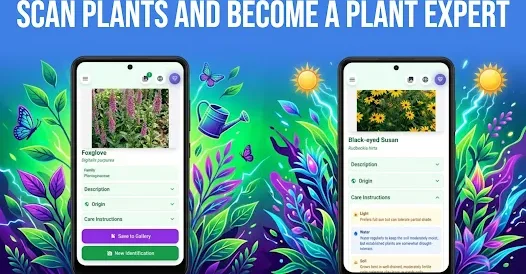
Plantly: Plant Identifier MOD APK application by Blazing App Studio uses AI-assisted image analysis to suggest possible plant identities and provides general information about plants, including their characteristics and basic care guidance.
Whether you enjoy gardening, collect indoor plants, explore nature, or simply want to learn the names of flowers around you, a plant identification application can make the experience more interesting. Instead of spending time searching through hundreds of pictures, you can start by taking a photograph and examining the suggested identification.
What Is Plantly: Plant Identifier?
Plantly: Plant Identifier is an Android application designed to help users recognize plants and explore information about them. Developed by Blazing App Studio, the application uses AI-assisted image analysis to generate plant identification suggestions from photographs. The main purpose of the application is to make plant discovery easier for everyday smartphone users. You do not necessarily need professional gardening knowledge to begin exploring plants. You can use a photograph as the starting point and learn more about the plant through the information provided by the application.
Plantly is designed for different types of users. Beginners can explore unfamiliar plants, gardening enthusiasts can learn about plants in their gardens, and nature lovers can use plant recognition as an educational activity. The official Google Play listing describes features such as camera-based plant identification, general plant information, basic watering and sunlight guidance, and the ability to save identified plants in a personal collection.
It is worth remembering that AI-generated identification is a suggestion rather than a guaranteed scientific identification. Similar-looking species, poor lighting, and unclear photographs can affect the results.
Features Of Plantly: Plant Identifier
1. AI-Assisted Plant Identification
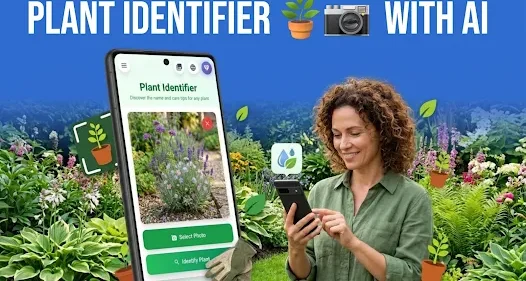
One of the main attractions of Plantly is its AI-assisted plant recognition capability. Instead of manually searching for a plant through different websites, users can start with a photograph. The application analyzes the submitted image and provides possible plant identification suggestions. This makes the discovery process more convenient for people who are unfamiliar with plant names or botanical classifications.
It can be useful when exploring flowers, leaves, and other plants around the home or outdoors. Nevertheless, identification accuracy depends on image quality and the available information.
2. Camera-Based Plant Scanning
Photograph-based identification makes the application convenient for everyday use. Users can take a picture of an unfamiliar plant and use it as the starting point for discovering its identity. This feature can be especially interesting for gardening enthusiasts who regularly encounter new plants. Instead of remembering an unfamiliar plant and searching for it later, they can begin the identification process directly from their Android device.
A clear photograph with the main plant subject visible is recommended for better results.
3. General Plant Information
Recognizing a plant is only the beginning of understanding it. Users may also want to learn about its characteristics, common name, and background. Plantly provides general plant information to help users explore the results of their identification searches. This makes the application more useful as an educational companion rather than simply an image recognition tool.
For students and beginners, learning about unfamiliar plants can also make gardening and outdoor exploration more enjoyable.
4. Basic Plant Care Guidance

Different plants have different environmental requirements. Some prefer bright sunlight, while others grow better in partially shaded locations. Watering needs can also vary depending on plant species, climate, soil, and growing conditions. Plantly provides general care information, including basic watering and sunlight guidance. This can help beginners understand some of the basic requirements of the plants they discover.
However, general recommendations should not replace species-specific gardening advice. Always consider local weather, soil conditions, pot size, and the actual condition of the plant.
5. Personal Plant Collection
Another useful feature described in the official listing is the ability to save identified plants and organize discoveries in one place. This can be helpful for people who regularly explore different plant species. Instead of repeating the same identification process, users can keep track of plants they have previously discovered.
A personal collection can also make learning more organized. For example, someone interested in indoor gardening can gradually build a collection of identified houseplants.
6. Simple User Experience
A plant identification application should make discovering plants straightforward. Complicated navigation can make an otherwise useful tool frustrating, especially for beginners. Plantly is presented as an accessible application for users interested in learning about plants. Its photograph-based approach provides a relatively straightforward starting point for plant discovery.
Users who are new to AI-powered applications can explore the identification process without needing advanced botanical knowledge.
7. Explore Plants Around You
Nature offers countless opportunities to discover unfamiliar species. You might encounter interesting flowers in a garden, unusual leaves in a park, or different plants while travelling. Plantly can make these experiences more educational by helping users explore possible plant identities through photographs. It can also encourage children and beginners to become more curious about the natural environment, provided that plant safety is treated seriously.
Benefits of Using Plantly on Android
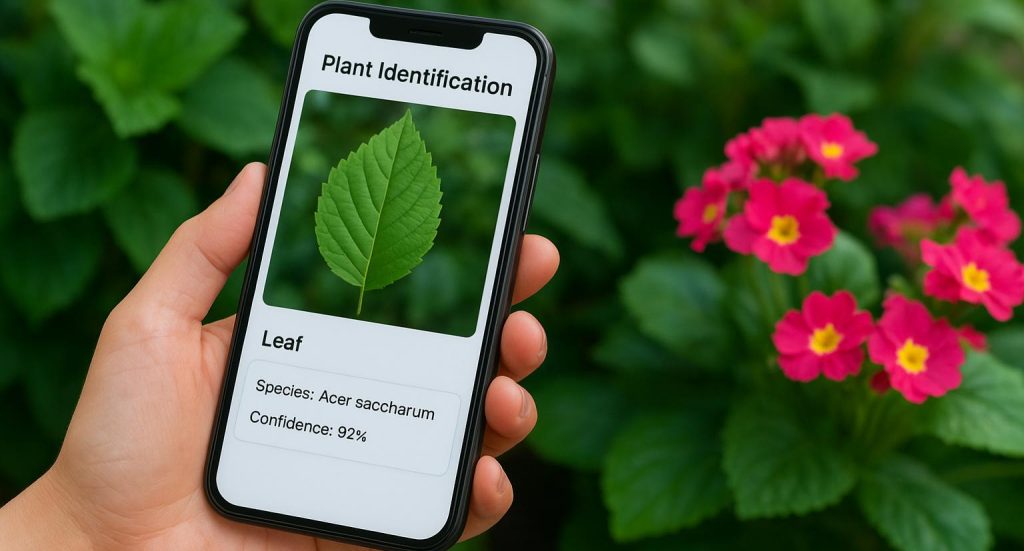
- One of the biggest benefits of a plant identification application is convenience. Android smartphones already include cameras, making photograph-based discovery an accessible option for many users.
- Plantly can reduce the effort of starting a plant identification search. Rather than starting with complicated botanical terminology, users can begin with something simple: a photograph.
- Another advantage is educational value. Learning about different plant names and characteristics can improve general knowledge about gardening and nature.
- The general care information can also provide beginners with an initial understanding of sunlight and watering requirements. This may help users ask better questions and research their plants more effectively.
- For gardening enthusiasts, the ability to save discoveries can make the identification process more organized.
- Nevertheless, the application should be treated as a learning and discovery tool. Important decisions involving poisonous plants, medicinal plants, or plants intended for consumption require independent verification.
How to Download and Install Plantly APK on Android
Users interested in trying Plantly should begin by checking the official application listing.
- Visit the Google Play listing and confirm that the developer is Blazing App Studio and the package name is blazingappstudio.plant_identifier.
- Review the application’s current requirements and make sure your device has sufficient available storage.
- Use the official Google Play installation option whenever possible. If considering an APK from another source, verify its origin, version, developer information, and file integrity before proceeding.
- Before opening the application, understand the permissions it requests. Camera access may be necessary for taking plant photographs.
- After installation, launch the application and explore its available features.
- Take a clear photograph of an unfamiliar plant and review the identification suggestions. Compare the results with reliable sources if you need greater certainty.
Conclusion
Plantly: Plant Identifier is an interesting option for Android users who want to explore the world of plants through photograph-based identification. Its AI-assisted recognition, general plant information, basic care guidance, and plant collection features provide a convenient starting point for learning about unfamiliar species. The application may be particularly useful for gardening beginners, nature enthusiasts, and people who enjoy discovering new plants around them.
However, users should understand the limitations of AI identification and verify important results independently. They should also be careful when considering modified APK files because unofficial versions can introduce privacy, security, and compatibility risks. If you want to explore Plantly, the original application from Blazing App Studio is the recommended starting point. Check its official listing and available features before installing.
FAQs
Does Plantly offer premium features?
The official listing indicates advertisements and in-app purchases. The availability and pricing of specific features should be checked inside the original application.
Can Plantly identify every plant correctly?
No. AI-based identification can produce incorrect suggestions, especially when photographs are unclear or different plant species look similar. Important identifications should be independently verified.
Does Plantly require camera permission?
Camera access is relevant when taking photographs directly inside the application. Users should review requested permissions and grant only those necessary for the features they use.
Who developed Plantly: Plant Identifier?
The Android application covered in this article is listed under Blazing App Studio. Users should check the developer name and package identifier to avoid confusing it with similarly named applications.















Review & Discussion